I'm bringing an '83 750 back to life and want to ditch the anti-dive. Don’t want to just plug the banjo going to the anti-dive unit on the fork, want to remove it.
In studying the fluid flow though the fork and anti-dive unit it seems that fork oil flows between two holes on the bottom of the fork; out one hole, through the anti-dive unit, and back in through the other hole. When the brake is applied, a plunger actuates restricting oil flow between the holes – thus the anti-dive effect of increasing compression damping in the fork.
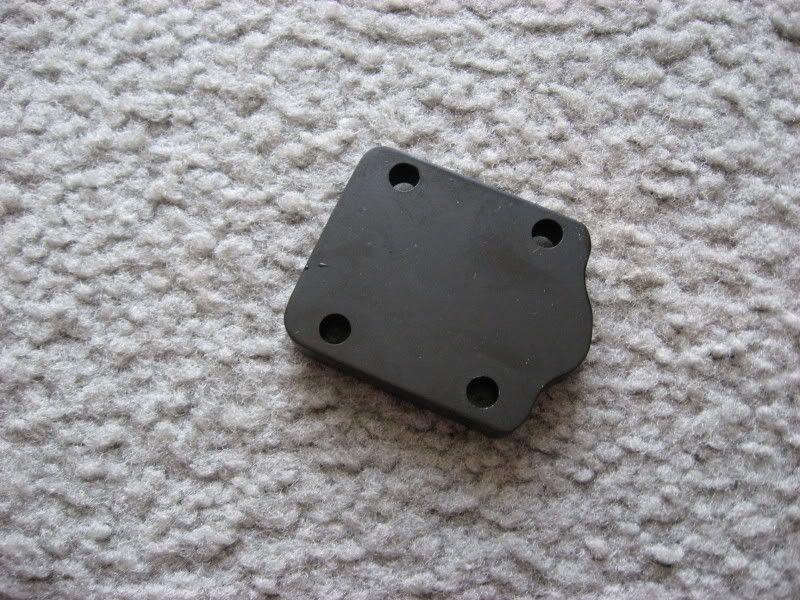
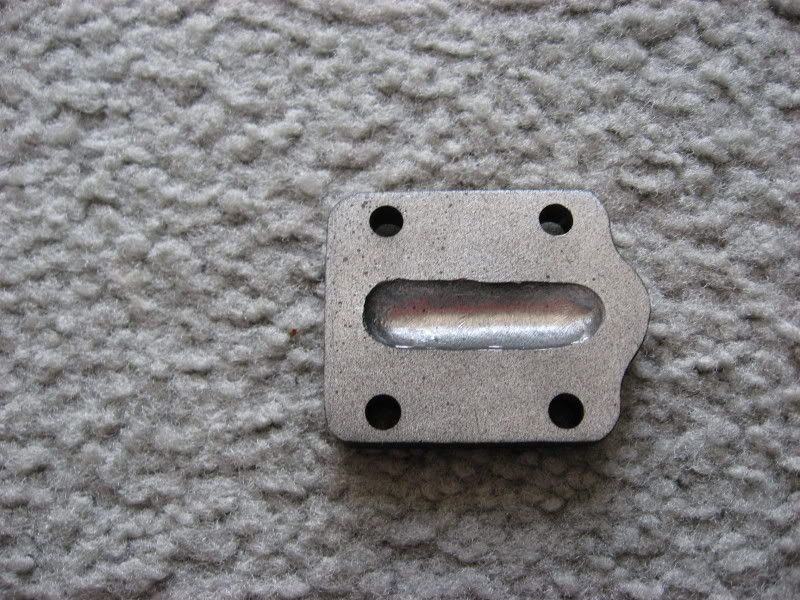
I’ve read in the archives about people replacing the anti-dive unit with a block off plate but won’t this cause the forks to act like there is anti-dive applied all the time? Found another thread where it was suggested that any block off plate needs a passage to allow fluid to flow freely between the two holes.
Anyone have any wisdom to share about this? I already fabricated block off plates and have installed them – haven’t ridden the bike yet though. Damping does not seem abnormal when pushing on the forks off the bike.
After further review, I’m leaning toward adding a passage between holes in the block off plate.
Anybody have some wisdom to share on this subject?
In studying the fluid flow though the fork and anti-dive unit it seems that fork oil flows between two holes on the bottom of the fork; out one hole, through the anti-dive unit, and back in through the other hole. When the brake is applied, a plunger actuates restricting oil flow between the holes – thus the anti-dive effect of increasing compression damping in the fork.
I’ve read in the archives about people replacing the anti-dive unit with a block off plate but won’t this cause the forks to act like there is anti-dive applied all the time? Found another thread where it was suggested that any block off plate needs a passage to allow fluid to flow freely between the two holes.
Anyone have any wisdom to share about this? I already fabricated block off plates and have installed them – haven’t ridden the bike yet though. Damping does not seem abnormal when pushing on the forks off the bike.
After further review, I’m leaning toward adding a passage between holes in the block off plate.
Anybody have some wisdom to share on this subject?


 Was assuming the oil flowed though some orifice(s) inside the fork to control the damping and the anti-dive just diverted the oil away from the normal damping circuit. Could be wrong of course. Do you think the forks are designed with a planned amount of oil restriction through the anti-dive circuit, even when the brakes are not applied? Honestly, not sure. Going to study the manual to see if I can figure something out.
Comment