• Required reading for all forum users!!!

    Welcome!
    Register to access the full functionality of the GSResources forum. Until you register and activate your account you will not have full forum access, nor will you be able to post or reply to messages.

    A note to new registrants...
    All new forum registrations must be activated via email before you have full access to the forum.

    A Special Note about Email accounts!
    DO NOT SIGN UP USING hotmail, outlook, gmx, sbcglobal, att, bellsouth or email.com. They delete our forum signup emails.

    A note to old forum members...
    I receive numerous requests from people who can no longer log in because their accounts were deleted. As mentioned in the forum FAQ, user accounts are deleted if you haven't logged in for the past 6 months. If you can't log in, then create a new forum account. If you don't get an error message, then check your email account for an activation message. If you get a message stating that the email address is already in use, then your account still exists so follow the instructions in the forum FAQ for resetting your password.

    Have you forgotten your password or have a new email address? Then read the forum FAQ for details on how to reset it.

    Any email requests for "can't log in anymore" problems or "lost my password" problems will be deleted. Read the forum FAQ and follow the instructions there - that's what we have one for...

  • Returning Visitors

    If you are a returning visitor who never received your confirmation email, then odds are your email provider is blockinig emails from our server. The only thing that can be done to get around this is you will have to try creating another forum account using an email address from another domain.

    If you are a returning visitor to the forum and can't log in using your old forum name and password but used to be able to then chances are your account is deleted. Purges of the databases are done regularly. You will have to create a new forum account and you should be all set.

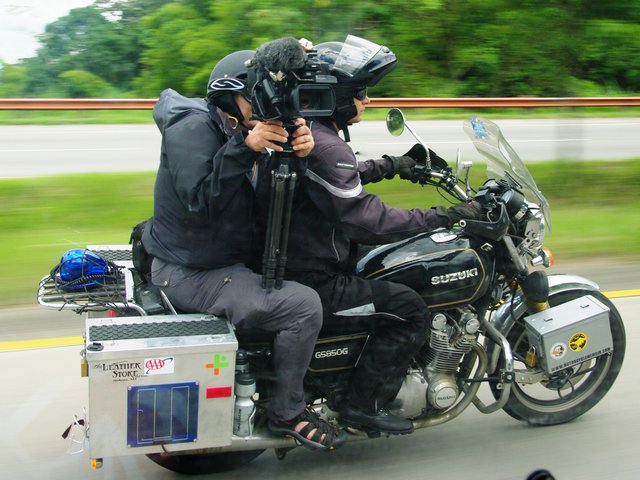
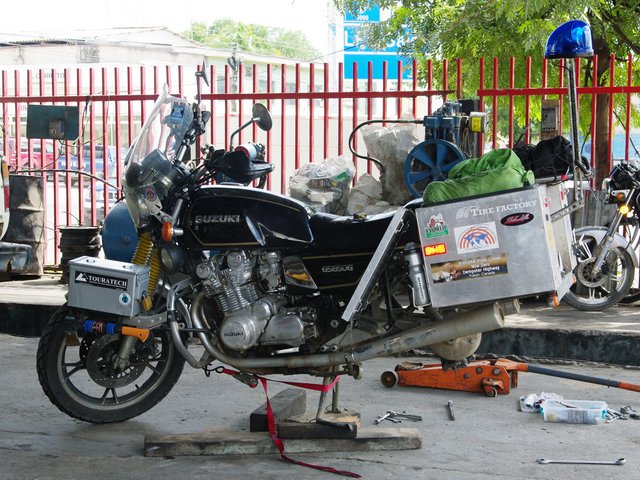
Around the world on a GS850G for a cause

  • Thread starter Thread starter shirazdrum
  • Start date Start date
The MT66's are not that great. If you're thinking of buying a set, just don't.

I have a set on my GS and I have been happy with them. I don't got off-road with them but for paved roads they work fine. My bike does not weight nearly as much as yours since I don't ride 2 up or carry a lot of gear.
 
Hey Chis,Richard here in Guatemala. Where you able to sort out your Mexican import papers away from the border? I have the same situation. Spent several weeks traveling through Mexico in the summer (From Guatemala all the way up to Jalisco, and around. On the way back I was unable to turn in my temporary import papers, because I crossed the border on Sunday. Sunday they close the BANEJERCITO office at 3:00 PM. I got there at 3:05 and the officer at the booth said, he could not do anything, to come back the next day. Mind you, the nearest Hotel is 100 kms away. He also told me that I did not have to process the papers until Dic 30th, 2010, so I had a window to do it. Well due to sever weather, the roads were impassable for a few weeks. Literally people got killed under road slides. Unfortunatly I had a bike accident, broke my femur in two, knee cap in 3 and had an exposed fracture to the Tibia (14 screws and two plates). I am not going to make it to the border on time, since I don't even know how many months before I can walk again. I called the embassy and told me I had to return WITH the bike in person. I am looking your solution to the problem, so I can use precedence and avoid the fine and also be able to complete my trip through Mex next summer. BTW, sorry we did not connect, Like I said, the University you stopped at "Mariano Galvez", was less than 100 mts. from my house. And the fruit you were treated to at the border, its called Rambutan. Not native to Guatemala, imported from SE Asia a few years ago, but took off nicely.Vsss and safe trip
 
Rich,

We're still struggling with the cancellation as well. The guys at the British embassy didn't deliver what they promised. I will call the Mexican consul in US and will ask them to contact them. Hopefully they will be more helpful. I have another 3 months to cancel so I?ll do everything I can and will keep you updated. If they go for it, I?ll give you the contacts so you can do the same.
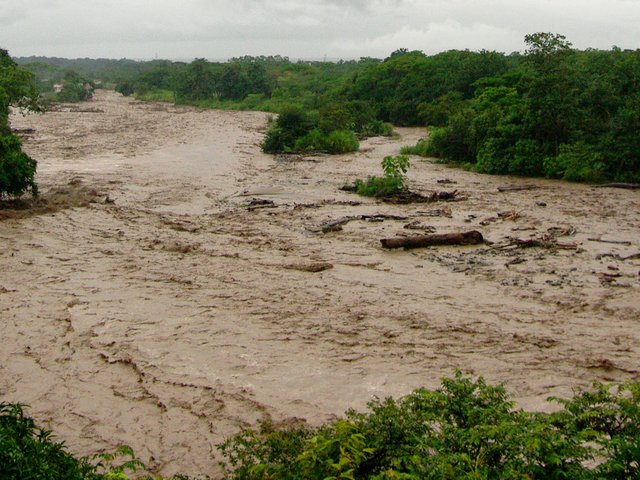
I?m sorry to hear about your accident, I remember the road very well in Guatemala. I've never seen that much rain in my life. I have a picture of a tree the size of a 2 story building rolling in the middle of one of the flooded rivers. It really suck that we didn't get to meet, hopefully I?ll make my way back up and do it properly.
Get well soon.

Almarconi,
I loved the MT66 for about a week until the heavy rains started. The traction was awful, anything off the tarmac was scary to say the least and I had 4 flats in 2 weeks in two brand new tires. One was a giant nail which would puncture any tire but the other 3 were small scarps that couldn?t even cut butter. The compound of this tire is very soft but it?s not sticky. The walls are very thin, and there is not much meat on the treads. At 4000 miles, the rear was completely bald with no tread left at all. At 10 mph, we hit a little patch of sand and it almost sent us flying.
I only recommend them for very dry places like Arizona but I still think there are much better tires for the price. Just my 2 cents.

Chris
 
Chris, I'm on my second set of the "new" Scorpion Trail, the succesor to the old Scorpions. So far they've performed quite well, tread life is nearly gone now with 8000 miles on the rear and 18000 on the front. They don't handle too well now, but they've done well so far, so Motorcycle Superstore had them on sale and I bought another pair. We'll see how they do, of course even on sale they're about $20/pair more expensive than the other Scorpions.
 
Dan,

I used to run scorpions on the Gs and i liked them but they discontinued them. I wanted to try the trails but i went with the Kenda 761 and i liked them even more. MS has very good prices on tires and i even tried getting some from them while in Mexico but unfortunately they don't ship outside of US. The shipping charges were out of this world (400 bucks for two tires) so i started buying tires locally. There are many good tires to be had down here sometimes even cheaper than US. I can't find any Kenda though as they have no market in south America.
 
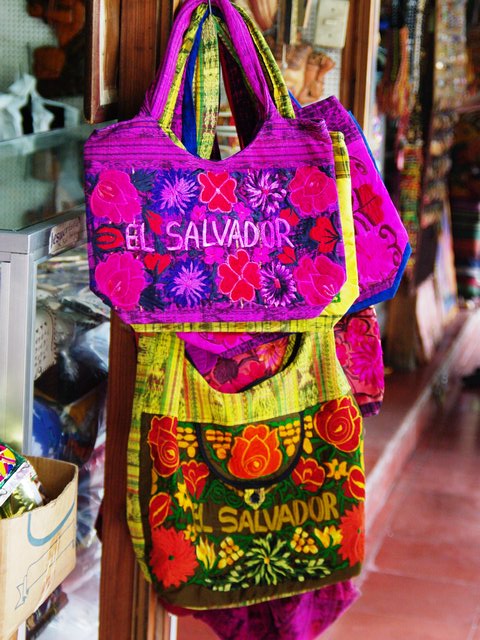
EL SALVADOR, THE MOST DANGEROUS COUNTRY

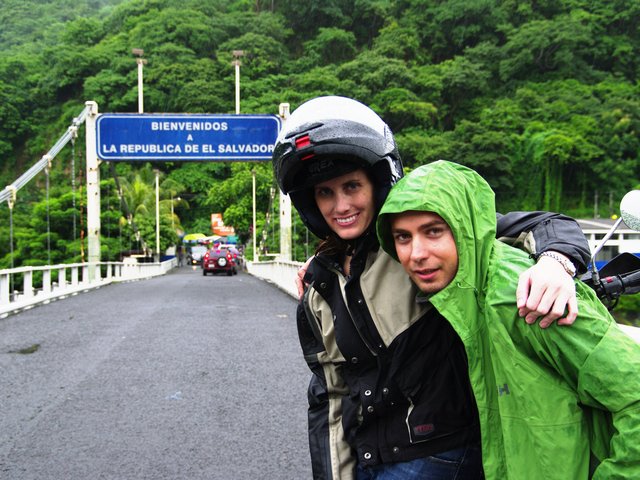
I was still in recovery mode so Claudio took on the riding task with Cynthia going as pillion. I got lucky as the second they took off, the monstrous rain started again, and this time it rained so hard that small rivers started forming on the road. We left Guatemala prematurely and headed flying for the border of El Salvador. The border was pretty impressive. One side was Guatemala, other side El Salvador, and a raging river separated the two land masses. The border ordeal was a typical one lasting several hours. A million signatures, 200 copies of every document and at the end getting a license plate number wrong and having to do it all over again.

El Salvador is a different country and you can tell the second you pass over the border. Every house and I mean, literally, every house is protected with a tall fence plus broken glass and barbwire on top. Armed guards are everywhere, from gas stations to even a simple doctor?s office or pharmacy. Our hotel in San Salvador, the capital of El Salvador, had a guard with a chopped-off shotgun and a Glock, and this was a very good neighborhood to begin with. The capital city looked like an American colony with the only difference being the language. From Wal-Mart to Pizza Hut and Starbucks to Subway, the streets are filled with American brands and American- made cars. The currency is even the US dollar, and the government is rightly accused of being an American puppet.

El Salvador has one of the biggest gang problems in Latin America which is not surprising, and is home to the notorious Mara Salvatrucha (the MS-13 gang). It came out of a bloody civil war which took 13 years and left more than 75,000 dead on both sides of the conflict. Many families fled the country and the majority landed in the United States. Many El Salvadorians kids grew up in the US during the war and when they returned home (in most cases deported because of their criminal acts), they had nothing in common with the locals. These very same young men started their own US influenced gangs and started killing each other for lack of better things to do. Most of these gang members speak perfect English with an American accent and not so much Spanish and are covered in fierce tattoos from head to toe.

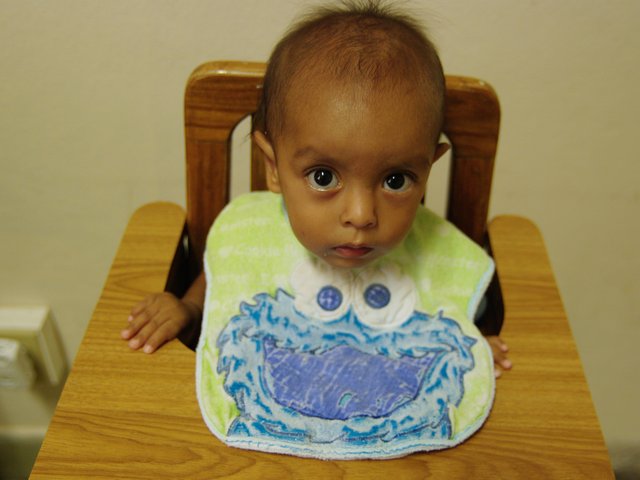
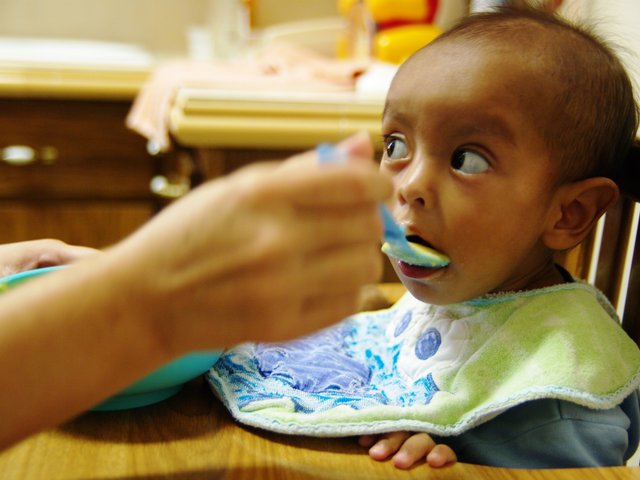
El Salvador, like Guatemala, struggles with food security and has one of the highest rates of chronic malnutrition in Central America. The problem starts with poverty and combined with a lack of education, creates a horrific result. To compound the situation, Latin Americans are mostly devout Catholic, and one thing the Catholic Church promotes and never condemns is having more babies.

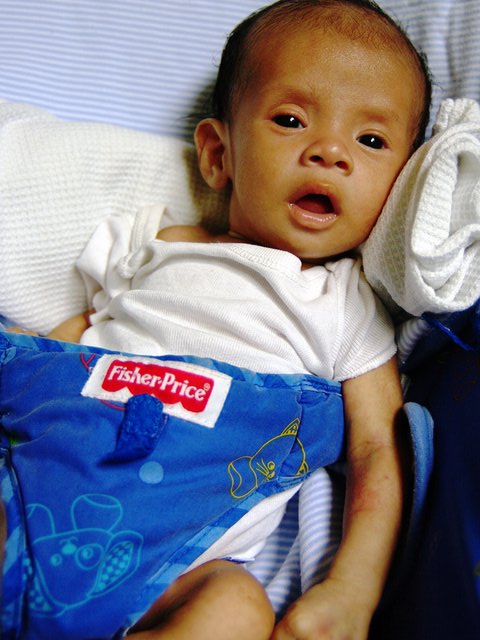
In rural El Salvador the men are typically found passed out on hammocks outside of the shacks, while the women do every hard labor chore imaginable. These very same men take many women, and some have more than 12 children with no income to speak of. Women are forced to raise the kids on their own. The mothers are often malnourished themselves with no breast milk to speak of. Coffee and tortilla, the only two food staples at hand, are made into a mush to feed the babies. In three weeks, the babies are so sick and skinny that many of them die in the jungles before reaching their first month. The government figures of the fatality rate for children in El Salvador are inaccurate as most of these babies are born without ever having a birth certificate let alone a death certificate.

To make it worse, the malnutrition programs are run by the government and when admitted to the hospitals, eight out of ten babies will never make it out. The governmental hospitals typically only treat the presenting illness but do not treat malnutrition nor provide any education or help to the families.

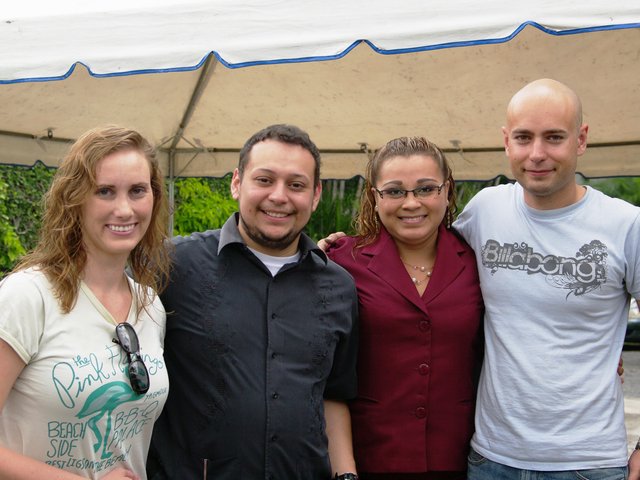
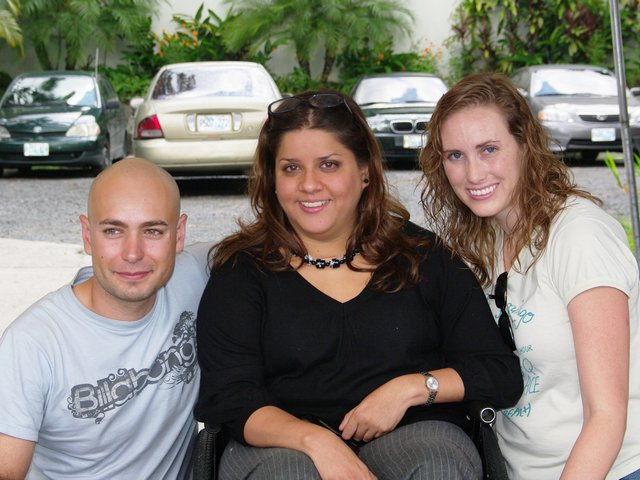
While in San Salvador, we were hosted by a super nice Salvadorian family and they showed us the utmost hospitality. Claudia Aguirre and her father run the KMPG office in San Salvador. (KPMG is a global financial institution in a nutshell). They put us up in a hotel and drove us all around the town for our every need. Over the mealtime, when they found out that we are raising awareness for world hunger, they arranged for us to visit their friends who run a malnutrition clinic (the report on this visit will be in the next post). El Salvador is a beautiful country with wonderfully hospitable people. So far on the trip, El Salvador is the place that has felt most like home.

salvador2.jpg


salvador3.jpg


salvador4.jpg


salvador5.jpg


salvador6.jpg


salvador7.jpg


salvador8.jpg


salvador9.jpg


salvador10.jpg


salvador11.jpg
 
SEP 6TH. THE LOVE LINK

Is it destiny that makes our course or is it the path that dictates our fate? Many follow their fate, but a few write their own. Sam Hawkins is such a person. Two weeks after we met this incredible man, he had a misfortune and while opening a bottle of chemicals, it exploded in his face and resulted in second degree burns from the neck up. When I received the news I was in shock as to why such a calamity could happen to such a saint-like person.

At age 71, Sam is as young at heart as any child. The twinkle in his eyes, his enthusiasm, his cowboy boots and thick Texan accent set him apart from the Salvadorians, but if that wasn’t enough, at six foot and some change, he stands out in the middle of the short Latin American crowd. Sam and his lovely wife, Julie, came on a church mission trip to El Salvador years ago during the civil war. But it wasn’t the church mission that changed him; it was a little malnourished baby boy, abandoned in a sugar cane field that made Sam who he is today. Sam and Julie took the boy in, cared for him and after long nights of struggle, he made it. Twenty-two years later, he’s alive and well and residing in Bangor, Maine and is getting married in a few months. They named him Eric. Since Eric, Sam and Julie made it their life work to open their door to every malnourished child they could find, and they have treated and saved over 1200 malnourished babies to this day. They made El Salvador their home and as Sam puts it, “I’ll never leave El Salvador.”

We met Sam through Claudia Aguirre who arranged the meeting at her office. We met Sam at 8 am and talked for hours before heading for the baby house. Before we left, I took him out on the bike for a ride and he loved it. His eyes were lit up like a little boy, and he hung on to me for the dear life as sped up through the tight streets of San Salvador. He really wants a motorcycle, but his wife Julie is very apprehensive. With a funny/sad face he said “She won’t let me.”

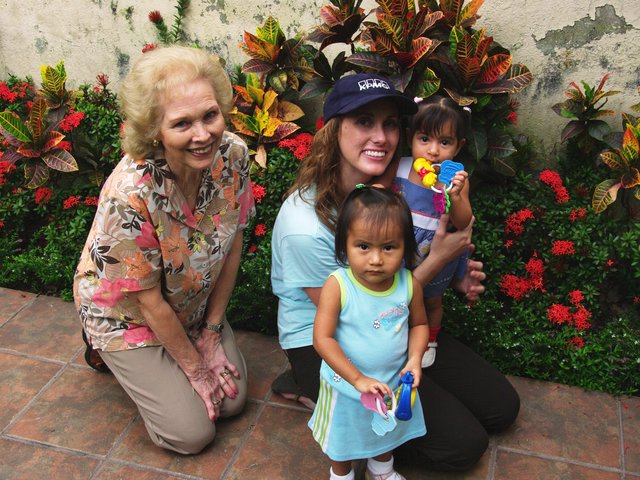
The baby house was incredibly clean and bright. Apparently Sam worked out at the gym next to the richest guy in El Salvador, neither of them knowing what the other person did. They talked about everything and anything but work. The guy finally found out about what Sam did and he donated the current baby house for the cause before he died. We met Julie at the baby house and she had no less enthusiasm than Sam. They are a perfect couple and they work together in perfect harmony. We played with the kids, got the tour and were amazed at their generosity. Over lunch, Sam told me about his other work. He started to visit prisons trying to rehabilitate the Salvadorian gang members. The government just puts more pressure on the gangs, shooting them when they can and treating them brutally when they get their hands on them (and they probably deserve it), but Sam’s way is the love way. The gang members actually listen to him, and no one bothers him. He created this program which he signs out prisoners and brings them back to society. He trains them, gives them the means and opportunity to have a job and education. They make handmade boots which they sell at the market and reinvest the profit back into the program. That’s why Sam is so proud of his boots.

We spent the night at Sam’s house, and after a delicious breakfast with Julie, we bid them farewell and got back on the road. It is heartwarming to see that there are still a few good men left who do everything and expect nothing in return. Get well soon Sam and thank you for being who you are. If you like to help out in his mission, consider making a donation of any amount, and we will forward it right to him. He has a nonprofit organization called the Love Link, but the website is not up to date and is hard to use. If you like to get a hold of him directly, contact me and I’ll provide you with the information.

Thanks to the wonderful KPMG staff, our stay in El Salvador was a memorable one. Salvadorian hospitality is hard to beat and this country will always stay in my memory. I hope I can make it back one day. Next stop: Honduras.

babyhouse1.jpg


babyhouse3.jpg


babyhouse4.jpg


babyhouse5.jpg


babyhouse6.jpg


babyhouse7.jpg


babyhouse8.jpg


babyhouse9.jpg


babyhouse10.jpg
 
Last edited:
POTHOLES IN HONDURAS

We left El Salvador amidst warm farewells from our new friends and with a police escort arranged by KPMG. Before we left, Edgar gave us a blue flashing police light, and I mounted it on the left front box. It?s fascinating to see how the traffic gets out of your way with a $6 light, and no one questions your identity. The rain made its customary appearance for part of the trip but abated by the border. We had made good time and were eager to do the border crossing and get to our destination. However, with all the good border crossings and encounters with police that we had so far, it was only a matter of time before we ran into one unscrupulous border agent. The mention of the word ?embassy? (The RGE Team has letters from the British Embassy) didn?t seem to settle well with this guy who proceeded to detain us for 5 hours while everyone else was blithely passing on through. Of course, as with any stop we make, the SRZero and the bike were immediately surrounded by curious little and big people wanting to know about the car and bike and take pictures with their cell phones and cameras.

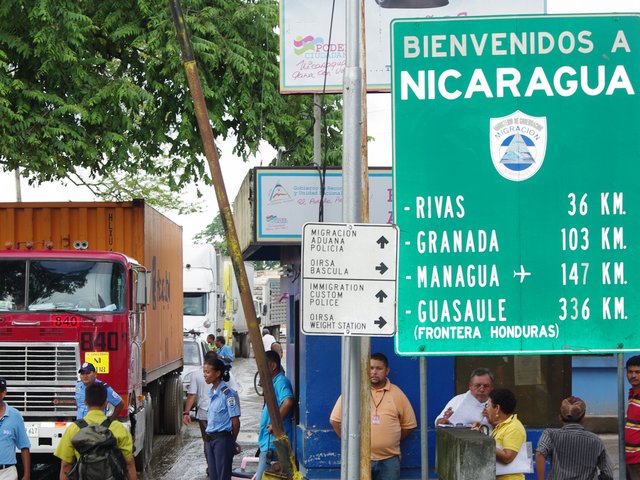
While waiting at the border we met some raw-food vegan cyclists from the US who were pushing to get to Panama on single gear bikes! They had no saddlebags, no tent or sleeping bag and what they wore was what they had. They slept at gas stations whenever they couldn?t stay awake to bike anymore and ate nuts and fruits to stay alive. I don?t know how they do it as I would die if I didn?t eat meat for one day. We wish them a safe and successful journey. Cynthia got a warm welcome to Honduras by a zealous bee, and while that sucker stung, the welt it left wasn?t any bigger than that of the monster mosquito bites she had acquired. In the end the whole delay at the border was solved by a ?deal? between our overly friendly, conveniently English-speaking ?fixer? and the grumpy border patrol man. Of course this deal involved paying some wads of cash.

We started not liking Honduras from the very start, and it kept getting worse. When we were ?allowed? to cross the border, it was already dark and our destination was 200k away. The rain came down lashing again, and the roads turned into Swiss cheese. The potholes got bigger and bigger to the point that it was hard to go any speed higher that 25mph. I radioed back to the SRzero and the van with directions on how to avoid each pothole. We got stuck behind a long truck line, and as I tried to pass, I sped up and entered the other lane and there it was: an abyss as wide as the road. I broke hard, but it wasn?t enough, and we hit the hole with full force. The headlight went black, the front brake caliper jammed and the suspension bottomed out to the point that I heard a crack on my spine.

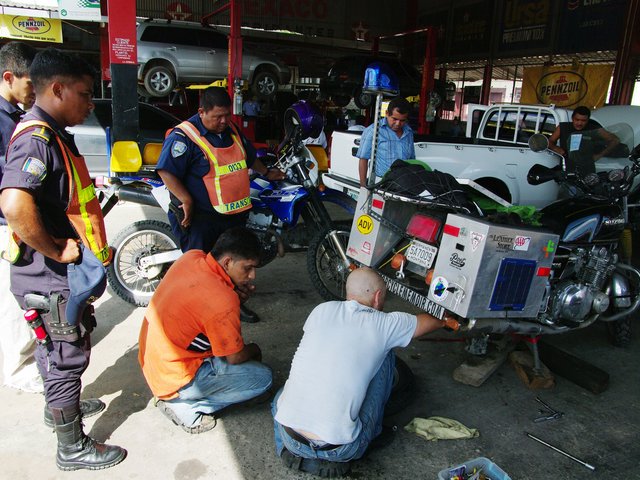
We limped to our destination about a mile away, and I started assessing the damage. The front rim was bent, sticking out about an inch. The right caliper was jammed, and the brake rotor was almost red from the heat. The headlight was busted, one fog light was out and a marker light lens broken. I started by dumping water on the rotor to cool it off and took the caliper apart. One of the slides was bent from the knock force, and it caused the jam. I hammered the slide back to shape and filed away the burrs, and it worked. The rim was more serious, and it took some precise banging and bending to get back to shape. When I got done with it, it was almost unnoticeable.

We ended up staying at the Lufassa power plant which provides approximately 33% of the Honduran electricity. We were hosted by Juan, the manager of the plant who took us to dinner at a seaside German restaurant. Juan was a very nice guy, and gave us a tour of his power plant which was impressive.

We left early the next morning to get to the Nicaraguan border, but as we entered the town of Choluteca, the rear tire went flat, our first flat of the trip. To my astonishment, the RGE team couldn?t be bothered to wait for us and left us there with no help and continued on to have their lunch and cross into Nicaragua! Thankfully Juan came to our aid and had one of his guys go tube hunting with me. Finding the tube was the easy part, and we proceeded to a tire shop to change the tire. I took the wheel off, and the shop changed the tire for $5 USD. Juan arranged our own motorcycle police escort to the border, and we were home free. I?m still amazed that after helping the RGE guys out so much through these potholes, night after night, in the rain and in the middle of the night, they could just leave us there. I?m not doing this for money, and I can take care of myself just fine, but their lack of consideration made me uneasy. Claudio ended up having to yell at them and stop them at the border to at least wait for us.

honduras1.jpg


honduras2.jpg


honduras3.jpg


honduras4.jpg


honduras5.jpg


honduras6.jpg


honduras7.jpg


honduras8.jpg


honduras9.jpg


honduras10.jpg
 
I'm not sure about the Hero thing, it takes away from our real heros... Spiderman, Batman, ... but i'm hanging in there.:D keep reading
 
THE RAIN IN SPAIN STAYS MAINLY?

The Nicaraguan border crossing was somewhat peaceful, but the rain almost closed down the border. The black skies and wind were telling us that something was coming, but what came unleashed was in a league of its own. In less than five minutes, the ground turned into a lake, and 50 gallon garbage cans got filled to the rim with rain water. Everyone at the border huddled under a canopy which was about to collapse. Even the dogs joined us to get out of the rain. After all the rain, we proceeded to the next station to get the bike fumigated. They sprayed the tires and chassis with some sort of chemical which stinks to high heaven and when it hits the hot engine, it makes some nasty fumes and leaves a stain forever. Somehow they believe that the chemicals kill the bugs and keep the noxious weeds from spreading over the border. Maybe they?re not aware that most bugs can also fly or walk right over the border. Well, it?s their way of keeping themselves busy I guess.

It wasn?t really a drive to Managua, the capital of Nicaragua, as we almost sailed into the city with the bike tires deep in water. Despite my high-tech rain gear, I was soaked again. When I took off my boots, there was water standing in the bottom, and my pants pocket where filled like fish bowls. Cynthia was dry and happy in the van, but when she opened the van door, her clothes bag fell in the water, and all her stuff got soaked as well.

At the Seminole Hotel in Managua, the night staff adamantly told us that there is no washer/dryer at the hotel. However in the morning, we tried talking to the manager to plead our wet clothes plight. They sent someone to get our wet clothes which we told them we needed by 10 a.m. After breakfast, we asked for the clothes to be brought back as it had been over an hour and we needed to pack. We were told that they dried them, but they were still a little ?damp. The clothes weren?t ?damp!? They were in the exact same condition we sent them down. No amount of yelling in English at the manager got me anywhere, so with no other choice, we packed up our wet clothes and started out to the border of Costa Rica with the all too familiar police escort again.

The vision I had of Central America quickly turned into the wettest dream of my life. Not only did we not see a thing in Nicaragua, I don?t even remember the currency. Very few bikers ride to Central America during the rainy season, and out of those few, I guarantee you that none will ever travel at night. From the US border to the Panama Canal, I rode pretty much every night, in one of the wettest years in Central America. Many people died in the floods and mudslides, many houses got destroyed as the rivers overflowed into villages, but we kept on pushing on.

Light bulb after light bulb went out on the bike as the water kept finding new ways to get inside the lenses. One headlight relay fried when swimming in the water, and finally I bought a tube of silicone and sealed everything. The seat cover ripped after 29 years of faithful service, and the water kept the foam wet, day and night. Every time I sat on the saddle, there was always a squish. My clothes were wet for at least two weeks and finding a dryer became my number one mission in every town we stopped. At every hotel, we asked for an extra hair dryer, and Cynthia set to work drying our drenched cloths with hair dryers and irons. But it was hot. The temperatures stayed in the high 90?s whether it rained or not. I kept humming the Beatle?s song, ?Here comes the sun,? but the sun was nowhere to be found.

nicaragua1.jpg


nicaragua2.jpg


nicaragua4.jpg


nicaragua5.jpg


nicaragua6.jpg


nicaragua7.jpg


nicaragua8.jpg


nicaragua9.jpg


nicaragua10.jpg


nicaragua11.jpg
 
Costa Rica

There is a two-step process to crossing borders in Central America. First you have to ?exit? the country you are in. If you are taking a vehicle through the border, that is an extra step. Then once you are free to go, you end up going through the ?entry? into the next country just a few feet away and do it all over again.

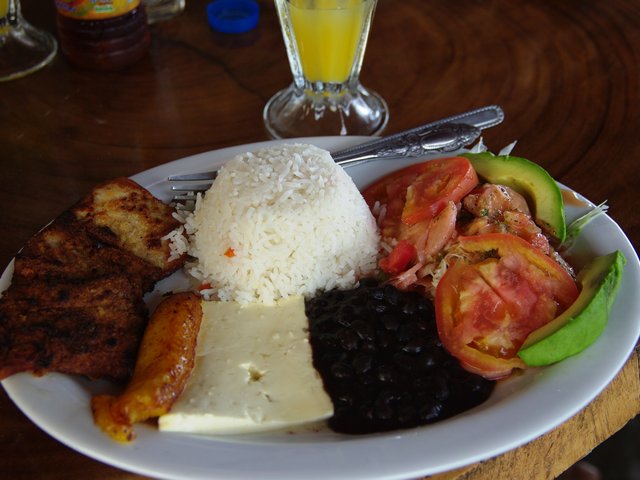
We hoped to get a quick passage into Costa Rica, however our hopes were dashed as it soon became clear that we would be playing the waiting game for quite a while. We ate some local fare (beans, rice, plantains, meat), and as the waiting went on, we got more bored. While trying some fancy footwork with a soccer ball, I accidentally kicked the ax lashed to the front pannier of the bike, and it cut a deep gash into my combat boot. I franticly took off my boot to check for chopped off toes as my foot was in excruciating pain, but I was relieved to see all my toes intact. I keep this ax religiously sharp, and I only moved it out of the rear box 5 months ago to make more room for Cynthia?s stuff, hence it being mounted on the front box. People always made fun of it and thought that it was dangerous to have an ax exposed right up front, but I always replied: what idiot would possibly hit the ax?! and if it happened, he probably deserved it. That idiot turned out to be me!

The drive from the border to Liberia (not the country) was a nice drive. The roads started to improve and the rain was off and on. We stayed at a little hotel in Liberia and got killed by mosquitoes. Mosquitoes usually don?t like me, but Costa Rican mosquitoes were as friendly as they come. We tried to get some sleep, but the whizzing and the sharp stings didn?t help at all. At 5:30 a.m. another whizzing noise joined the choir. It was Cynthia swatting at mosquitoes while sitting in the bathroom, waving the little hairdryer aimlessly at my jeans, barely making any headway in taking the moisture out. It was time again to get up.

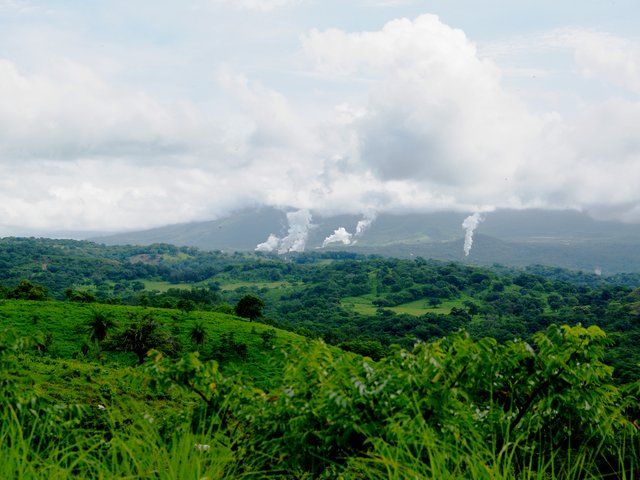
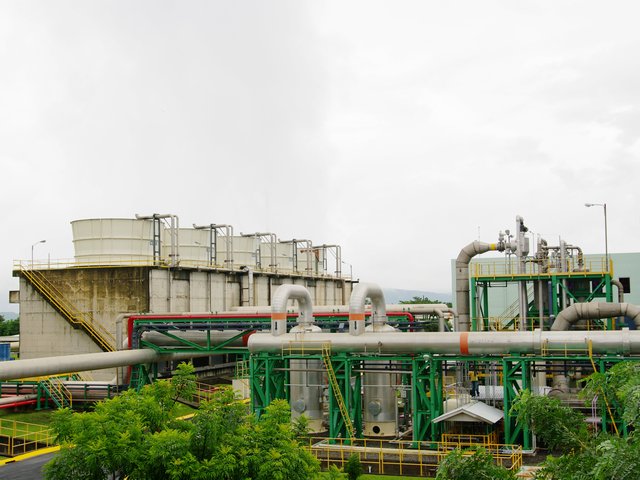
Costa Rica literally means the ?Rich Coast,? and rightly so. It is the most expensive Central American country. It has two beautiful coasts, the Pacific Ocean to the west and south and the Caribbean Sea to the east. The middle is covered by some serious jungles, mountains and active volcanoes. We headed out to visit an impressive geothermal power plant in the countryside, next to the Miravalles Volcano. It lies between the two massive volcanoes, Poas and Barva, forming a wall to the north of the valley. Miravalles sits in the Guanacaste Province in the northwest part of the country, and if you can take your eyes off the extremely narrow and twisty road, you can see miles of coffee plantations in each direction on a clear day.

In a nutshell, how the geothermal plants work is that they extract the boiling underground waters and use the steam for running the electric turbines. To give you an idea, it?s kind of like tapping Old Faithful in Yellow Stone National Park to a steam generator. The environmental impact of the plant itself is minimal but building roads and getting there is what causes all the concerns. Since nine out of ten of best geothermal sites in Costa Rica sit in protected forests, there are no more expansions as of yet, but that could change with the next government. It?s interesting to note that the United States is the leader in geothermal electricity production with 3,086 MW of installed capacity from 77 power plants. The largest group of geothermal power plants in the world is located at The Geysers, a geothermal field in California.

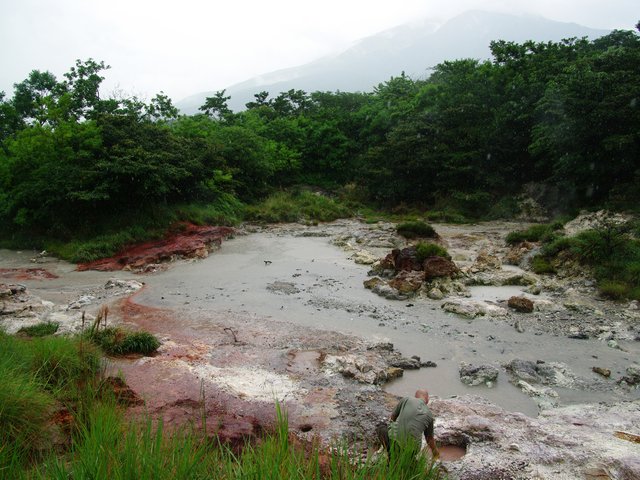
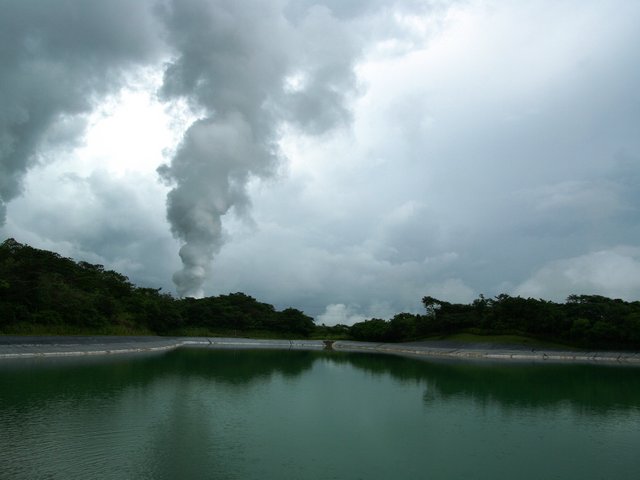
We watched a powerpoint presentation and then got to tromp around through the lush vegetation in the rain to the lower hot springs. The water was boiling hot, and the steam that rose from it covered the whole area. In this lush and hot environment, every species has claimed a corner to itself, and they all live in harmony. From giant spiders to monkeys, Costa Rica has something exotic to offer to tourists. With all the advertising and National Geographic ads they put out every year, it?s not surprising to know that it is also the number one destination for tourists in Central America.

We were touring, but we weren?t tourists so we got back on the long road to San Jose, the capital of Costa Rica. The drive through winding one-lane roads on the hilly landscape was made even more challenging as night fell. The visibility was extremely poor, and we were going at about 30mph at best which was no fun. At one point, we passed massive car-sized boulders in the oncoming lane which had just fallen from the hills above us coming to rest partially on the highway, just at some houses? doorsteps. Locals told us tragic stories about how people had been buried and never found again in rock avalanches, as well as swept away by the ground giving way from the massive rains. We were glad to make it to a dry place and have dinner before calling it a night.

costarica3.jpg


costarica4.jpg


costarica5.jpg


costarica6.jpg


costarica7.jpg


costarica8.jpg


costarica9.jpg


costarica10.jpg


costarica11.jpg


costarica12.jpg
 
Rich,

We're still struggling with the cancellation as well. The guys at the British embassy didn't deliver what they promised. I will call the Mexican consul in US and will ask them to contact them. Hopefully they will be more helpful. I have another 3 months to cancel so I?ll do everything I can and will keep you updated. If they go for it, I?ll give you the contacts so you can do the same.
I?m sorry to hear about your accident, I remember the road very well in Guatemala. I've never seen that much rain in my life. I have a picture of a tree the size of a 2 story building rolling in the middle of one of the flooded rivers. It really suck that we didn't get to meet, hopefully I?ll make my way back up and do it properly.
Get well soon.
Chris
Hey Chris, Where are you now? Hope traveling in South America is being a blast. I wanted to give you an update on the Mex Temporary import situation. I wrote Mexican Customs directly, here their reply

CIITEV_AduanaMexico <CIITEV_AduanaMexico@sat.gob.mx>
Buenas noches,

En atenci?n a su consulta, le informamos que en estos casos no existe posibilidad de realizar la cancelaci?n a trav?s de fotograf?as ni documentos que indiquen que las motos est?n en el extranjero. Es necesario presentar las motocicletas en el m?dulo de Banjercito a efecto de llevar a cabo su verificaci?n f?sica y se realice la cancelaci?n.
Lo que es importante mencionar que en tanto no cancele estos permiso no tiene posibilidad de obtener nuevos permisos de importaci?n temporal.
Saludos,

In a nutshell: The only way to cancel the bloody document is to PHYSICALLY be at a border BANEJERCITO office.

On the other hand, there is no fine. The only consequence to not canceling is that you are not allowed back into Mex on a Bike until you had cancelled the previous temporary import permit, unless you made a cash deposit. If you did it on Credit card, no problem. Hope this takes a load of your mind. Safe riding.
 
REACHING THE PACIFIC

San Jos?, the capital of Costa Rica, is a giant city which doesn?t resemble anything of the beautiful Costa Rica. Like any other metropolitan area in the world, San Jos? is made out of very poor neighborhoods to high society mansions. But they all have one thing in common: no street addresses of any kind. In our voyage to find bike parts and a lens cap for the camera, we learned that directions and addresses in Costa Rica generally run something like: go past the yellow house, turn left after the 2nd post, and right by the mango tree. In fact, the owner of the camera shop we visited assured us that if he were to visit his employee?s house, he would never find it based on the address alone, unless he were with her, or she drew him a detailed map. So needless to say, we had a bit of an adventure going around the city. The GPS was all but useless and good only for the coordinates. We finished off the errands with getting the oil changed on the bike and a much needed wash. Oil is like gold down here. A regular quart size bottle of oil runs about 8 USD, gas was almost $5 a gallon, and a regular meal in the range of 12 USD.

Just as we got back to the hotel, the headlight went out. That sealed the rest of my evening, as I then proceeded to try to figure out the problem and get the necessary parts. The lamp by itself was fine so I suspected the switch. It would come on and go off by itself after cycling between the high and low beam and suddenly not at all. I took the switch apart and that was a big mistake. Six little springs flew in every direction in the dark and complicated the matter. The switch was really corroded and I needed to clean it, but I had no electrical cleaner. I went inside and asked the bartender for a glass of coke. The coke was flat and didn?t do a very good job of cleaning the contacts so I asked the bartender for a few limes. The limes did a better job, but I wasn?t still satisfied. So again, I asked for baking soda and water and that did the trick. The doorman at the hotel was watching me silently the whole time and was amazed at the cleaning cocktail I was making. He couldn?t hold it anymore and came and asked what the hell I was doing as he couldn?t understand why I was feeding my bike coke, lime, and white watery stuff, glass after glass. After all that cleaning, it turned out that the switch was fine and actually the relay was going bad. I could read voltage at the light, but the second I turned it on, there was no amperage. I replaced the relay, and the life was good again, but now I had a broken switch.

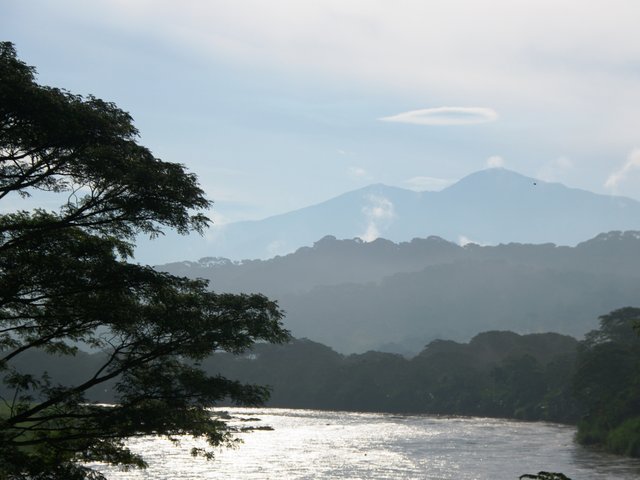
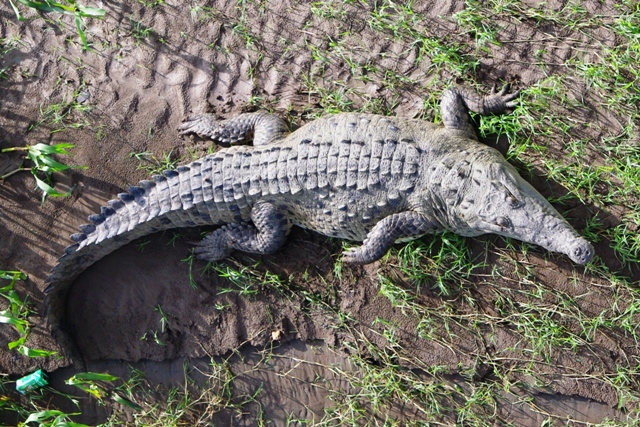
The sun hadn?t yet made its appearance when the profane sound of the phone ringing roused me from my slumber. Painfully peeling my eyes open I answered the 4:20 a.m. wake-up call. We were meeting downstairs to load up at 5:00 a.m. for our 240 mile journey to David, Panama. The plan, an early start to make the border crossing in good time and (hopefully) miss the rain. The drive out of San Jose led us through layers of mountains peaking out through mist and clouds as the sun started to shine. We passed bottomless gorges and ravines, and the vegetation on both sides of the road grew more dense and lush as we went on. One river we stopped at yielded a little early morning excitement when we spotted a couple of fat alligators lazing in the muddy river banks, and for the first time, we caught a glimpse of the Pacific Ocean. The rest of the way was just one mesmerizing scene after another until we reached a dead stop two kilometer before the border, literally 3-5 lanes of absolute gridlock in both directions.

The rain was coming down in sheets again and the road started to flood. I went ahead on the bike but even on the bike, I could only get about 1 km up the road before I, too, had to stop. After asking around, we were told that it would take about 4-5 hours just to get to the border and that traffic was backed up on both sides. Kevin Augello (the second British camera man who joined us in Guatemala City) was my passenger that day and we decided to pull over under a porch and wait to see what happens. Hours passed and the traffic didn?t move an inch. The rain, our hungry stomachs and the mosquitoes got me up and moving again. I had enough of waiting so there was only one more trick to do. I mounted the blue flashing police light on the bike, turned on the alarm siren and radio in hand, shouted at the cars and trucks to make room for the SRzero and the bike to pass. Truck after truck moved to the side to make a narrow passage for the SRzero and we reached the actual border before the sun went down.

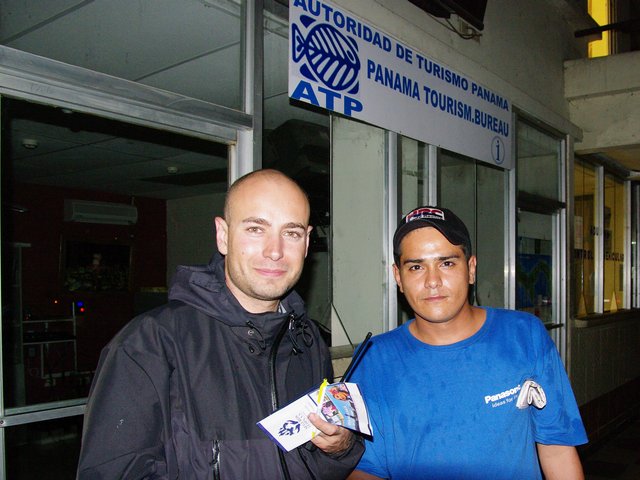
We were regaled by tales of theft, murder and other sundry crimes by the locals who told us that Panama would send their vagrant drug and alcohol users over their border into the no-man?s zone between Panama and Costa Rica so the area we were waiting around in wasn?t particularly a savory one to be in. But we made it out without any incident. We ended up staying in David, Panama about 50 km from the border and promptly hit the hay as the next day was another early start.

panamaborder1.jpg


panamaborder2.jpg


panamaborder3.jpg


panamaborder4.jpg


panamaborder5.jpg


panamaborder6.jpg


panamaborder7.jpg


panamaborder8.jpg


panamaborder9.jpg


panamaborder10.jpg
 
Quick and ugly update:

The stator gave up after 29 years today in the middle of nowhere, Argentina. I have one day to fix it and there are no spare parts down here. I'm rebuilding the Stator if i can find the right gauge wire here tomorrow. Otherwise i'll be strapping a car batter to the back rack and keep on riding. Wish me luck.

26000 hard miles and two continents it took for the first mechanical breakdown. My hat is off to this GS.
 
That stinks. I recently killed a stator myself, but I had the good sense to do it at a rally surrounded by people with spare parts.

I don't know your level of expertise with GS charging systems, so I'll just go ahead and dump some info as if you were like I was. There are basically two ways the GS will kill a stator. Both come from the fact that the regulator dumps excess power back into the stator to be dissipated as heat into the engine oil.

One way to overdo that is continuous running at elevated rpm, as in sport riding. A lot of time between 6-9k, roughly, depending on the bike and probably conditions. The only cure for that is a series regulator, but I don't think that fits your riding profile. The series regulator opens the stator circuits instead of dumping power back into the stator. Apparently, the technology to do this has only been available for about 10 years.

The other way to cook the stator is corrosion in the power system wiring. At several connections in the power system (not just charging wiring), corrosion can create enough resistance to fool the regulator into thinking the battery is fully charged. It will then dump all the stator output back into itself, and the engine oil can't absorb all the heat to save it. Also, the battery doesn't get charged, but you knew that already.

So, what I'm trying to say is, while you're down, get all your contacts cleaned and protected, including the grounds (don't miss the one on the tail end of the engine case) and the fuse panel. Otherwise a fresh stator will appear to be faulty, or will die quickly. I know there have been some alterations to your charging system wiring to move the regulator to the pannier, so I'm not sure what else to recommend. For example, the stock 850 has a splice within the wiring harness that sometimes goes bad. You can't repair it without getting into the harness, so bypass it with a fused (15A) connection directly from the regulator positive to the battery terminal positive.

With all the severe conditions you've been (and will be) riding through, corrosion will probably be an ongoing fight. I recommend that you also install a voltmeter so you can see when the battery voltage starts to drop. Or at least test your charging system output with the multimeter very regularly while traveling in corrosion-promoting conditions.

If you find the time and funds, installing a series regulator will at least protect your stator from failure if the corrosion gets out of hand again. Cost is in the neighborhood of $150, but weighed against stator failures in some of the places you go, I think might be worth the investment. Most riders around here don't necessarily have to have that kind of robustness, when it costs that much. I elected to do it. One stator was enough for me.
 
You have gone past my last contacts in Rio already, but can see if they know anyone out that way... (wherever you happen to be)

Im sure the technical folks can help you on that end more than me, based on previous write ups I am assuming the car folks have left you to fend for yourselves?

I got a family friend on facebook who's family is from Argentina, they might still have relatives down that way...
 
Well i'm almost dead sleep at this point (3:58 am) as i just got back from the shop. The shop owner was a saint but he really didn't know what he was doing. ( he fixed refrigerator motors and such, but he had the right size wire and the tools i needed) after rewinding the stator twice and not a single volt out of it, i came back to the house we're staying at and checked the GS resources for info on the matter. I did find some info and the most important one was the direction of the winding. The guy was alternating the poles clockwise and counter clockwise the whole time. Before he left at 11 at night, he gave me the key to his shop!(complete stranger) so i could go back and work on it myself. He took the stator apart when i wasn't there and i had no idea how many coil on each pole was there originally but he told me 36 (Confirm this please!) so i went ahead and did 36 on each pole. after 14 hours of work, i finally got it working and now it puts out 67volt AC from leg to leg.

Thank you guys for everything, the GSR saved my ass one more time.

For those who're wiring right now and need some directions, wire clockwise( or counter clockwise, as long as you keep the same direction), and keep the direction the same for all poles. 3 end of the wires get soldered together and the other 3 end are your 3 phases going to the R/R.

The order goes like:

1-4-7-10-13-16 first phase
2-5-8-11-14-17 Second phase
3-6-9-12-15-18 Third phase

The starting point doesn't matter. Check with ohm meter for short between the wires and the body of the stator before installing and correct as necessary. I'll write a complete paper on it so the others can use it too. It's super easy as long as you know what you are doing.

The cost was $100 (same as a new one back in state but at least it charges again). I'll write more and post the pics later but i have to get some sleep first as we have 300k of gravel road and two ferry crossings tomorrow. (actually in 3 hours).

Chris

P.S. Thank you Jared, i'm still heading for Brazil, 2 more days left, i'll call you on Sunday when the madness is over. Rich, i got your note, thanks for all the info, that puts my mind at ease. I put the deposit on a credit card so i guess i'm good to go. Hope you're doing better.

Dogma, thanks for the tips and tricks, it was the low oil level that burned it up combined with very high RPM's as I've been riding at 90-100 mph continually for the past 3 weeks. The oil level was always low as the bike is burning a little, (1 quart in 600 miles with the rpm's that i'm running).

Watch out for your oil level people.
 
Back
Top