Willie, I believe that it is better to express one's impression or feelings regarding a post than to assume as it provides the opportunity for clarification. Clarification usually removes the concern, or at least gets the conflict into the open.


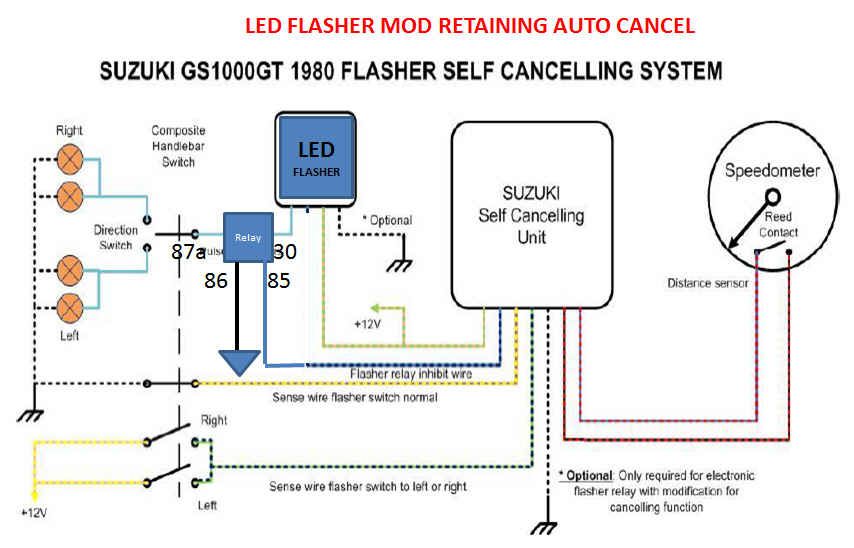
The shunt simply loads the circuit in the same fashion as do the original incandescent bulbs, such that the flasher is able to function. Other ways to accomplish flashing of light loads such as LEDs which I recall using:
1) Aftermarket flasher units are made expressly for LED and other light loads.
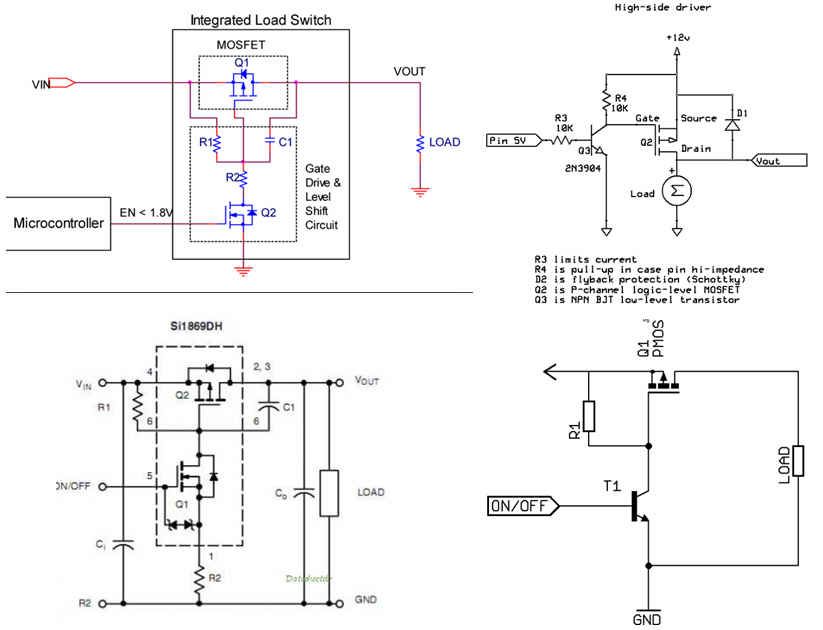
2) Connecting the flasher to ground by way of a resistor or diode string to cause the flasher to operate and using a normally closed relay shunted across the flasher. Causes the LEDs to flash in reverse to the flasher but is reliable. The third/indicator terminal of some flashers works well for this purpose.
3) Use of a flasher bulb to control the relay coil as these are both available in lower voltages which can be combined with a resistor. I used one from a flash light to make the warning light on a boat house flash when the temperature dropped too low.
Lots of ways to do this. Someone suggested using an electronic timer/flasher from Mouser or one of those suppiers for this purpose on one of the KLR groups. I like to use a simple relay combination although the electronics gurus will often cob together a circuit. Personally, I think they only do it to make we dinosaurs feel even more inferior but if that's the reason, it works.

On another, related, subject, has anyone bridged the R&L signal light leads in order to achieve 4-way flashers? I always get around to this modification but am a bit concerned about doubling the signal light load into that controller.
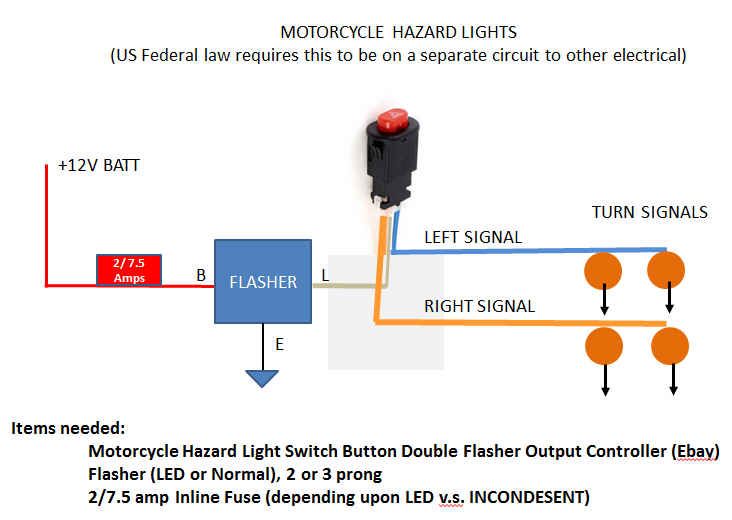
As everyone will know, there are two common means of achieving 4-way flasher operation. The most simple is to connect a switch between the right & left signal bulb leads. Activate the turn signals in either direction and close the switch so that both side turn signals are powered from the side which is activated. Simple and works efficiently. I use it frequently on my ST1100 when moving slowly in traffic as in a construction zone.
Another means is that which is used by automobile manufacturers who wish to make the 4-ways active when the ignition is off. They often have a much more complex signal switch which allows the brake lights and rear signals to share the same bulb filaments. In even the simpler systems which use separate brake and turn indicators, the 4-way system is powered separately through its own switch and flasher. I don't bother with that system on a bike because, IMO, the battery capacity is insufficient to allow the 4-ways to endure. If one wished to have a 4-way system which could operated for 1/2 hour or longer, sufficient time to repair a tire for example, LED's or HID strobes would need to be considered. I have an LED light bar transversely mounted under the luggage rack on the top of my ST1100's Givi trunk which uses a two wire flat connector to connect to the bike's harness. This allows the LED bar to be connected to the always powered battery charging plug stored behind the rear side cover. The same plug is also power for pillion heated vesta as this will not remain connected to drain the battery.
An acquaintance connected a relay to flash the opposite side signals but managed to wire it so that the lights alternated side to side. He received official attention almost the first time used,

and brought it by for help. I proposed that we simply install one red and one blue lenses onto his front signals but he was not amused.
I'm not a fan of LED's as turn signals, indicators or brake lights unless their performance is at least equal to incandescent which is seldom the case. The practical issue is that the lighting enclosures and lenses are a problem. There are many excellent purpose designed LED lights on the market but few original lighting units perform well with an LED.
I think the answer is usually to replace the complete light but that is an issue with a collector bike.